
Why is strengthening fisheries extension services crucial? | Explained
Source: The Hindu
Syllabus: GS III Economy & Environment
Introduction
India, endowed with vast and diverse aquatic resources, plays a pivotal role in global fisheries and aquaculture. The sector supports the livelihoods of over 25 million fishers and fish farmers at the primary level and sustains twice that number along the value chain. As the 3rd largest fish-producing nation, contributing 8% to global fish production, India ranks 2nd in aquaculture production. In 2021-22, India’s total fish production stood at 16.24 million tonnes (MTs), including 4.12 MTs from marine fisheries and 12.12 MTs from aquaculture.
Importance of Fisheries Extension Services
Fisheries extension services act as a vital link between scientific advancements and grassroots practices, ensuring knowledge dissemination and promoting sustainable practices. Their importance can be categorized as follows:
- Knowledge Dissemination: Providing scientific guidance on species lifecycle management, water quality maintenance, disease control, and advanced aquaculture techniques.
- Capacity Building: Training stakeholders in sustainable fisheries practices and fostering entrepreneurship in the sector.
- Sustainability Advocacy: Addressing issues like climate change, overfishing, and resource depletion through conservation-oriented practices and adaptive strategies.

Key Government Initiatives
Matsya Seva Kendras (MSKs):
Under the Pradhan Mantri Matsya Sampada Yojana (PMMSY), MSKs serve as integrated service hubs for fishers and fish farmers.
Roles and Features:
- Provide disease diagnostics and water/soil analysis services.
- Offer training on feed/seed technologies and sustainable aquaculture methods.
- Mobilize startups, cooperatives, self-help groups, and Fish Farmer Producer Organizations (FFPOs) to exchange best practices.
Examples:
- MSK in Thrissur, Kerala: Offers advanced water and soil testing facilities.
- MSKs in Nasik and Sangli, Maharashtra: Focus on capacity building and technological integration.
Sagar Mitras:
Deployed in coastal states and union territories, Sagar Mitras act as intermediaries between the government and marine fishers.
Key Functions:
- Provide critical information on weather forecasts, potential fishing zones, and market trends.
- Educate fishers on local regulations, hygienic fish handling, and disaster preparedness measures.
Digital Platforms:
- AquaBazaar: A digital platform by the National Fisheries Development Board offering:
- Expert guidance on breeding and seed production.
- Practical demonstrations to enhance technical know-how.
World Bank-Assisted Project:
This initiative focuses on formalizing the fisheries and aquaculture sector by:
- Developing digital identities for fishers and fish farmers.
- Enhancing capacity building, awareness, and streamlined extension services.
Challenges in Fisheries Extension Services
- Institutional Fragmentation: Poor coordination among multiple initiatives and stakeholders.
- Digital Divide: Limited digital literacy and inadequate infrastructure in rural and remote regions.
- Climate Change: Unpredictable weather patterns and resource depletion necessitate adaptive strategies for resilience.
Way Forward
- Institutional Convergence: Leverage existing networks such as Krishi Vigyan Kendras (KVKs) and state agricultural departments to integrate fisheries extension services.
- Digital Empowerment: Expand platforms like AquaBazaar to bridge the knowledge gap and ensure access to digital tools.
- Public-Private Partnerships (PPPs): Facilitate private sector involvement in technology dissemination, infrastructure development, and skill enhancement.
- Climate Resilience Strategies: Implement robust frameworks for sustainable resource management while addressing the impacts of environmental changes.
Conclusion
Strengthening fisheries extension services is imperative for sustaining India’s growth in the fisheries and aquaculture sector. By enhancing last-mile connectivity, leveraging technology, and fostering collaborations, India can empower its fishers and fish farmers to adopt sustainable practices. This will contribute significantly to the nation’s economic growth and ecological balance.
Migration in India is slowing, reduced by 11.78 percent in 2023: PM advisory body report
Source: The Indian Express
Syllabus: GS II Social Issues
Domestic Migration in India: Trends, Challenges, and Policy Implications
Introduction
Domestic migration in India has witnessed a notable slowdown, with the total number of migrants declining by 11.78% between 2011 and 2023. A recent working paper by the Economic Advisory Council to the Prime Minister (EAC-PM), titled “400 Million Dreams!”, sheds light on key trends, underlying reasons for this decline, and evolving migration patterns.
What is Migration?
Definition: Migration refers to the movement of people away from their usual place of residence, either within the country (internal migration) or across international borders (external migration). This phenomenon, driven by various social, economic, or political factors, provides critical insights into societal dynamics.
Forms and Patterns of Migration:
- Internal Migration:
- Movement within the country (e.g., rural-urban, intra-state, inter-state).
- External Migration:
- Cross-border movement between countries.
- Forced Migration:
- Driven by external compulsion, such as wars, persecution, or natural disasters.
- Voluntary Migration:
- Chosen by individuals or families for better opportunities or improved living conditions.
- Temporary Migration:
- For short-term purposes, such as seasonal work.
- Permanent Migration:
- Involves long-term relocation, often for settlement.
- Reverse Migration:
- Movement back to the place of origin or residence, often triggered by socio-economic or environmental factors.

Methodology Used in the EAC-PM Report
The EAC-PM report employed three alternative datasets to estimate migration trends, addressing delays in the decennial Census:
- Indian Railway Unreserved Ticketing System (UTS):
- Tracks passenger volumes to identify migration patterns.
- TRAI Mobile Roaming Data:
- Analyzes seasonal movement of people.
- District-Level Banking Data:
- Studies remittance trends to trace migration dynamics.
Key Findings of the EAC-PM Report
1. Decline in Migration Numbers:
- Overall reduction: Migrants reduced from 45.57 crore (2011 Census) to 40.20 crore (2023).
- Migration rate: Declined from 37.64% in 2011 to 28.88% in 2023.
2. Improved Economic Opportunities:
- Migration slowdown is attributed to economic growth in smaller cities, enhanced infrastructure, and better access to education and healthcare near traditional hubs.
- This shift reflects regional development in source areas.
3. Recipient States:
- Top states: Uttar Pradesh, Maharashtra, and Madhya Pradesh continue to lead.
- Emerging states: West Bengal and Rajasthan replace Andhra Pradesh and Bihar as prominent destinations.
- Growth patterns: Rajasthan, West Bengal, and Karnataka report the highest growth in migrant arrivals, while Maharashtra and Andhra Pradesh see a decline.
4. Regional Migration Trends:
- Top origin districts: Areas around urban centers like Delhi, Mumbai, Chennai, Bangalore, and Kolkata.
- Top destination districts: Mumbai, Bengaluru Urban, Howrah, Central Delhi, and Hyderabad.
5. Seasonality of Migration:
- Peaks observed in April-June, with secondary peaks in November-December.
- Post-pandemic, peak season passenger movements reduced, with May 2023 levels 6.67% lower than May 2012.
Challenges in Understanding Migration Patterns
- Data Gaps:
- Lack of timely and granular data hampers effective policy formulation.
- Existing reports, such as the MoSPI Migration in India 2020-21 and MoHUPA’s 2017 report, highlight significant tracking limitations.
- Economic and Social Disparities:
- Persistent regional inequalities continue to influence migration patterns.
- Impact of External Shocks:
- Events like the COVID-19 pandemic disrupt established migration flows and seasonal movements.
Way Forward
- Enhanced Data Collection:
- Accelerate efforts to conduct the Census and explore alternative real-time data sources like mobile and banking data.
- Policy Integration:
- Align migration policies with broader developmental programs to address regional disparities.
- Infrastructure Development:
- Strengthen economic opportunities in source areas through targeted investment in industries, education, and healthcare.
- Social Security for Migrants:
- Provide portable benefits, skill development programs, and affordable housing to ensure well-being and inclusivity.
- Technology-Driven Solutions:
- Leverage digital platforms for tracking, managing, and analyzing migration trends.
Conclusion
The slowdown in domestic migration reflects broader regional economic development and improved local opportunities. However, it underscores the need for robust data collection mechanisms and targeted policies to address migration challenges effectively. By fostering inclusive growth and ensuring adequate support systems for migrants, India can harness migration as a catalyst for socio-economic progress.
Should Assisted Dying Be Legalized?
Source: The Hindu
Syllabus: GS II Polity and Governance
The legalisation of assisted dying has sparked a complex and multifaceted debate globally, intertwining ethical, legal, and social dimensions. While supporters view it as a compassionate choice for terminally ill individuals seeking dignity in death, opponents raise concerns about its societal implications.
Concerns Raised by Opponents of the Assisted Dying Bill in the U.K.
- Pressure on Vulnerable Groups:
Critics, including religious leaders like the Archbishop of Canterbury, worry that severely disabled or vulnerable patients might feel compelled to choose death to alleviate the perceived burden on their families. - Erosion of Palliative Care:
There is apprehension that the focus on assisted dying could undermine investments in hospice and palliative care services, potentially reducing access to comprehensive end-of-life care. - Moral and Ethical Dilemmas:
The debate raises questions about the sanctity of life and whether the state should sanction ending it. Opponents argue that it must never become easier to die than to live. - Judicial and Legislative Constraints:
Courts, including the European Court of Human Rights, have emphasized that such profound moral and philosophical questions are best left to parliament rather than the judiciary, reflecting the ethical sensitivity of the issue.
Proposed Changes Under the New Law
- Eligibility Criteria:
The Bill allows terminally ill, mentally competent adults with less than six months to live to opt for assisted death. - Safeguards:
A request for assisted dying must be approved by two independent doctors and a High Court judge to ensure that the decision is voluntary and well-considered. - Scope of the Bill:
The Bill specifically targets individuals facing irreversible suffering due to terminal illness, aiming to balance personal autonomy with societal concerns.
India’s Legal Position Compared to the U.K.
- Recognition of Passive Euthanasia:
India legalized passive euthanasia through the landmark Common Cause v. Union of India (2018) case, affirming the right to die with dignity under Article 21 of the Constitution. - Guidelines for Implementation:
- Passive euthanasia involves withdrawing life support for terminally ill or permanently vegetative patients.
- A living will, attested by witnesses and a Judicial Magistrate, serves as the legal instrument for this purpose.
- Recent rulings have simplified the procedural requirements, making it less cumbersome for patients and families.
- Comparison with U.K.:
- Unlike the U.K.’s focus on active euthanasia through assisted dying, India permits only passive euthanasia.
- India’s stance prioritizes natural death by withholding medical interventions, while the U.K. Bill actively allows assistance in ending life.
Moral and Philosophical Implications
- Ethics of Autonomy: Both proponents and opponents grapple with the concept of individual autonomy in deciding life and death. While advocates argue for the right to self-determination, critics caution against normalizing the choice of death.
- Societal Responsibilities: The debate also highlights societal obligations to provide adequate palliative care, ensuring that individuals do not view death as the only escape from suffering.
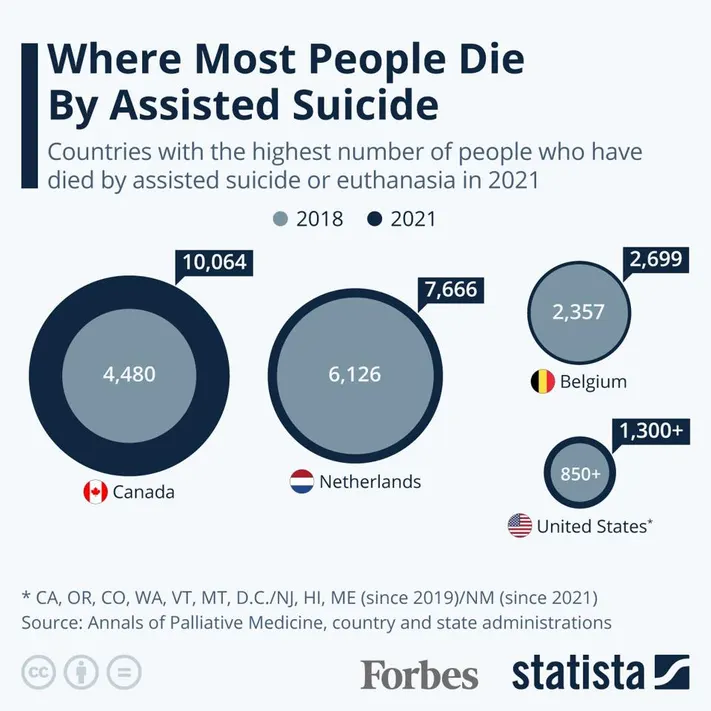
Way Forward
- Robust Safeguards: Both nations must establish stringent protocols to prevent misuse and protect vulnerable populations.
- Improved Palliative Care: Investments in hospice care and counseling services are essential to offer holistic support to terminally ill patients.
- Ethical Deliberations: Broader societal debates involving all stakeholders, including medical professionals, ethicists, and civil society, are crucial to shape humane policies.
The debate on assisted dying reflects a broader discourse on dignity, autonomy, and ethical governance. Both India and the U.K. must navigate this sensitive issue with compassion, ensuring that legislative frameworks align with societal values and individual rights.
17 children receive award for exceptional achievements
Source The Hindu
Syllabus: Miscellaneous (Prelims)
Pradhan Mantri Rashtriya Bal Puraskar (PMRBP)
The Pradhan Mantri Rashtriya Bal Puraskar (PMRBP) is India’s most prestigious civilian honor for children, instituted to celebrate and recognize extraordinary achievements in various fields. It reflects the government’s commitment to fostering talent and encouraging innovation, bravery, and social service among the younger generation.
Key Features of PMRBP
- Purpose and Objectives:
- Aims to identify and reward children excelling in areas that contribute to individual growth and societal development.
- Promotes a culture of innovation, environmental stewardship, and ethical citizenship among India’s youth.
- Serves as a platform to inspire other children to achieve their potential and contribute meaningfully to the nation.
- Awarding Authority:
- Conferred annually by the President of India on behalf of the Government of India.
- Organized by the Ministry of Women and Child Development, demonstrating the government’s emphasis on youth empowerment.
- Award Categories:
Recognizes achievements across a wide range of fields:
- Art & Culture: Exceptional creativity and contributions to cultural heritage.
- Bravery: Acts of valor and courage in challenging circumstances.
- Innovation: Breakthrough ideas and technological advancements.
- Science & Technology: Contributions to scientific research and technological innovation.
- Social Service: Efforts toward community development and humanitarian causes.
- Sports: Excellence in national or international sporting events.
- Environment: Initiatives to protect and preserve natural resources.
- Eligibility Criteria:
- Open to Indian citizens aged 5–18 years as of July 31 of the award year.
- Recognizes achievements completed within the two years preceding the nomination deadline.
- Ensures a transparent selection process led by the National Selection Committee, which may confer up to 25 awards annually, with the flexibility to adjust based on merit.
- Award Components:
- Winners receive a medal, a certificate, and a citation booklet detailing their accomplishments.
- These awards not only bring national recognition but also underscore the government’s focus on holistic child development.
Significance of the PMRBP
- Encouragement of National Talent:
The PMRBP highlights the government’s resolve to identify and nurture exceptional talent, fostering a sense of achievement and national pride among children. - Promotion of Innovation and Responsibility:
By recognizing achievements in innovation, social service, and environmental conservation, the award encourages children to address critical challenges creatively and responsibly. - Nation-Building through Youth:
The award aligns with the broader vision of leveraging India’s demographic dividend by inspiring young achievers to contribute to India’s growth story and global standing. - Fostering Inclusivity and Diversity:
By awarding children across diverse fields and backgrounds, the PMRBP reinforces the message that excellence and contribution to society are not confined to any one domain or community.

2024 PMRBP Recipients
In 2024, the PMRBP honored 17 young achievers for their exceptional contributions in fields such as art, bravery, and innovation. These laureates exemplify the spirit of determination and excellence, serving as role models for their peers and the nation at large.
The Pradhan Mantri Rashtriya Bal Puraskar is more than an award—it is a call to action for India’s youth to dream, innovate, and contribute to a better tomorrow. By nurturing talent, rewarding excellence, and encouraging societal contributions, it lays a strong foundation for a progressive, inclusive, and innovative India.
