
India braces up for AI challenge, plans own LLM foundational model to rival ChatGPT, DeepSeek R1
Source: The Indian Express
Syllabus: GS II Science and Technology
India’s Strategic Push Towards AI: Development of an Indigenous Large Language Model under the IndiaAI Mission
Introduction
The Government of India has announced a significant initiative to develop its own Large Language Model (LLM) under the ambitious ₹10,370 crore IndiaAI Mission. This move is aimed at fostering an indigenous AI ecosystem, ensuring bias-free and culturally contextualized AI models, and positioning India as a global leader in artificial intelligence.
Key Developments and Government Strategy
Building an Indigenous AI Model
Union IT Minister Ashwini Vaishnaw highlighted that the government has been in active collaboration with startups, researchers, and academic institutions over the past 1.5 years to develop a foundational AI model. The project is expected to be completed within 4 to 8 months, with six AI development firms engaged in discussions to execute the initiative.
Hardware Infrastructure: GPU Deployment
A robust computational infrastructure is critical for AI research and model training. To this end, the government has approved the procurement of 18,693 high-end Graphics Processing Units (GPUs) from ten leading technology firms, ensuring high-speed processing capabilities.
Companies Selected for GPU Supply:
- Yotta (Hiranandani Group-backed) – 9,216 GPUs (largest contributor)
- Jio Platforms, Tata Communications, E2E Networks, CMS Computers, Ctrls Datacenters, Locuz Enterprise Solutions, NxtGen Datacenter, Orient Technologies, Vensysco Technologies
As per official statements, 10,000 GPUs are ready for immediate installation to accelerate AI research and development efforts.

Affordable Compute Power for AI Developers
Recognizing the cost barriers to AI innovation, the government is launching a common compute facility to provide startups and research institutions with affordable access to GPU resources. The pricing structure is as follows:
- High-end GPUs: ₹150 per hour
- Lower-end GPUs: ₹115.85 per hour
- Government Subsidy: 40% discount for startups and research institutions
This initiative will significantly reduce compute costs, making access to high-end AI infrastructure more affordable than global standards, where similar services cost around $2.5–$3 per hour.
Application-Level AI Development
In the first phase of the IndiaAI Mission, the government has selected 18 AI-based applications for funding. These projects focus on critical sectors such as:
- Agriculture: AI-driven solutions for precision farming and yield optimization.
- Education: AI tools to assist individuals with learning disabilities.
- Climate Change: AI applications for environmental sustainability and disaster preparedness.
Strategic Rationale Behind India’s AI Investment
India’s investment in AI development is driven by multiple strategic objectives:
- Reducing Dependence on Foreign AI Models: Encouraging indigenous AI research and ensuring data sovereignty.
- Promoting Multilingual and Culturally Relevant AI: Developing AI capabilities that cater to India’s linguistic diversity.
- Strengthening Computational Capabilities: Enhancing AI research and innovation by providing robust infrastructure.
- Competing with Global AI Advancements: Keeping pace with major AI-driven economies such as the US and China, including China’s recently launched DeepSeek foundational model.
Challenges and Future Prospects
While the IndiaAI Mission is an ambitious and forward-looking initiative, several challenges must be addressed to ensure its success:
- Infrastructure Development: Ensuring seamless availability and scalability of GPU resources.
- Skilled Workforce: Strengthening AI education and research programs to develop a pool of skilled AI professionals.
- Regulatory Frameworks: Establishing robust AI ethics, data privacy, and security regulations to safeguard against potential risks.
Conclusion
The IndiaAI Mission has the potential to transform India into a global AI hub, fostering technological self-reliance and innovation. By leveraging indigenous research, strategic collaborations, and affordable compute power, India is poised to make significant strides in AI development. If successfully executed, this initiative will not only enhance India’s digital economy but also ensure inclusive technological progress across multiple sectors.
What WHO’s recommendation for low sodium salt means for India
Source: The Hindu
Syllabus: GS II Health
WHO’s Recommendation on Low-Sodium Salt and Its Implications for India
Introduction
In a significant public health directive, the World Health Organization (WHO) has issued guidelines recommending the use of low-sodium salt substitutes (LSSS) that replace sodium chloride with potassium chloride. This initiative is aligned with the broader WHO recommendation of limiting sodium intake to less than 2g per day to mitigate hypertension and non-communicable diseases (NCDs). Given India’s high burden of cardiovascular diseases (CVDs), hypertension, and chronic kidney disease, these guidelines could have profound implications for public health policy and dietary practices.
Historical Context: Salt as a Public Health Tool
Historically, salt has played a crucial role in India’s public health initiatives. The introduction of iodized salt in the 1950s was a landmark intervention that significantly reduced iodine deficiency disorders, including goiter and hypothyroidism. Now, with the WHO’s latest recommendations, salt is once again poised to become a vehicle for large-scale health improvements.
Key Aspects of WHO’s Guidelines
- Promotion of Low-Sodium Salt Substitutes: Encourages the adoption of potassium-enriched alternatives to sodium chloride.
- Household-Focused Approach: The guidelines primarily target table salt used in homes rather than salt in packaged foods or restaurant-prepared meals.
- Target Population: Recommendations apply to adults, excluding pregnant women, children, and individuals with kidney impairments who may have difficulty processing excess potassium.
- Policy and Public Health Engagement: The WHO aims to guide policymakers, health professionals, and stakeholders in reducing sodium intake through regulatory measures, awareness campaigns, and dietary modifications.
Scientific Rationale: Impact of Salt on Human Health
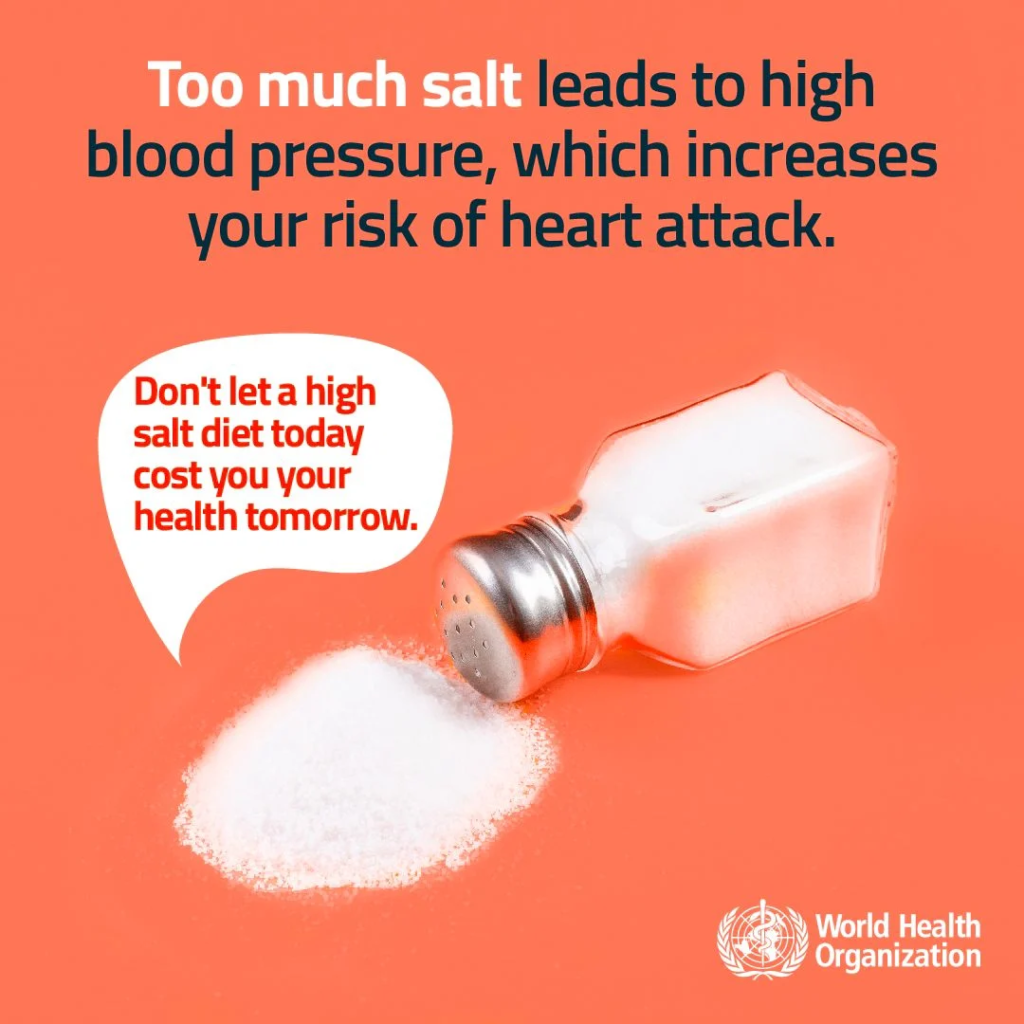
Sodium, a key component of salt, regulates fluid balance in the body. However, excessive sodium consumption increases water retention, elevating blood volume and blood pressure levels. Studies show that reducing sodium intake by 4.4g per day leads to a 4 mmHg decrease in systolic blood pressure and 2 mmHg decrease in diastolic blood pressure, significantly lowering the risk of hypertension, CVDs, and stroke.
Health Benefits of Low-Sodium Salt
- Reduction in Hypertension: Lower sodium intake reduces vascular stiffness and improves heart function.
- Prevention of Atherosclerosis: Helps in preventing plaque buildup in arteries, thereby reducing the risk of heart attacks and strokes.
- Improved Vascular Health: Potassium, an essential component in low-sodium salt substitutes, enhances vascular function and counteracts the negative effects of sodium.
- Reduced Risk of Chronic Diseases: Helps in lowering the incidence of chronic kidney disease, gastric cancer, and other sodium-related disorders.
India’s Response: Challenges and Policy Considerations
- High Sodium Consumption Patterns: Indian dietary habits often include excessive salt intake, both in cooking and additional seasoning.
- Cost and Accessibility: Low-sodium salt substitutes are relatively expensive, limiting their widespread adoption.
- Need for Behavioral Change: Public awareness campaigns and targeted interventions are necessary to alter dietary habits.
- Potential Risks: While potassium-enriched salt offers health benefits, individuals with undiagnosed kidney diseases may be at risk of hyperkalemia (excess potassium levels in the blood).
Government and Public Health Interventions
- National-Level Policy Mandates: The government must collaborate with the food industry to promote affordable low-sodium salt options and ensure their availability in retail stores.
- Labeling and Regulation: Implement front-of-pack labeling (FOPL) to guide consumers in making healthier choices.
- Public Awareness and Physician Training: The Sapiens Health Foundation’s ‘Losalter Group’ initiative has already begun training 300 physicians nationwide to educate the public on sodium reduction strategies.
- Subsidized Low-Sodium Salt: Ensuring affordability through government subsidies and mass production could facilitate widespread adoption.
Conclusion
The WHO’s recommendation on low-sodium salt presents a critical opportunity for India to address its growing burden of hypertension and cardiovascular diseases. While reducing sodium intake is crucial for public health, careful consideration must be given to the economic feasibility, awareness campaigns, and regulatory frameworks to ensure effective implementation. Strategic collaboration between the government, healthcare sector, and food industry will be essential in making this initiative a success, ensuring long-term health benefits for India’s population.
Release list of victims, act against Kumbh commissioner for the panic: Opp to govt
Source: The Indian Express
Syllabus: GS I Disaster Management
Stampede at Mahakumbh Mela 2025: A Tragic Reminder of the Need for Robust Crowd Management
Context:
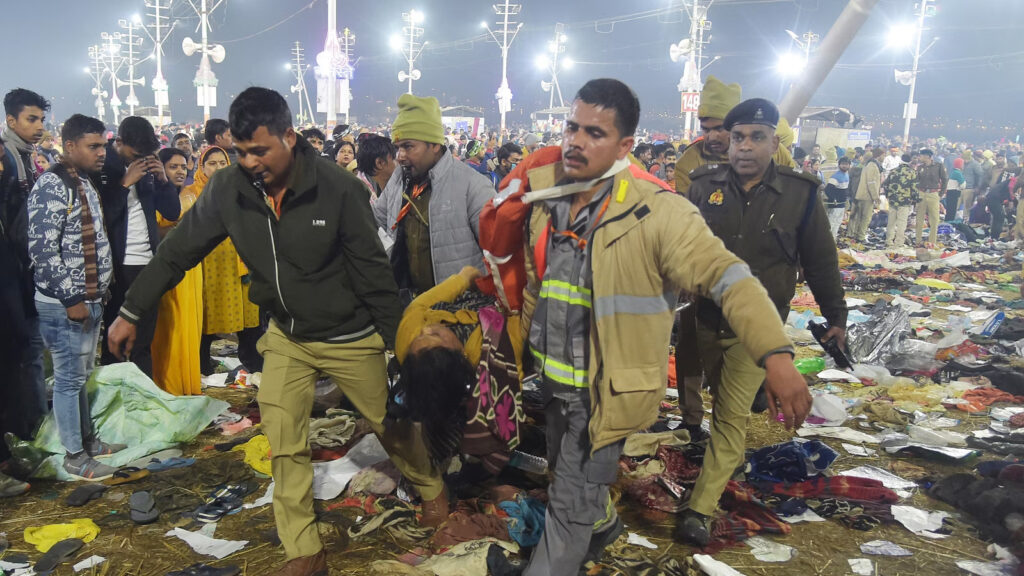
A devastating stampede at the Mahakumbh Mela 2025 in Prayagraj on January 29 resulted in 30 fatalities and over 60 injuries, highlighting critical lapses in crowd management. This incident underscores the urgency of implementing stringent safety measures to prevent such tragedies in mass gatherings.
Understanding a Stampede:
A stampede is a sudden and uncontrolled movement of a large crowd, often triggered by panic, rumors, or excitement, leading to injuries and fatalities due to trampling and asphyxiation. In India, religious congregations account for nearly 79% of such incidents, emphasizing the need for enhanced vigilance and planning.
Factors Contributing to Stampedes:
- Structural Failures: Weak temporary structures, inadequate barricading, and poorly designed entry-exit points lead to congestion and chaos.
- Inadequate Crowd Control: Underestimation of crowd size, shortage of security personnel, and absence of controlled access result in overcrowding.
- Panic and Rumors: False alarms, sudden movements, and mass hysteria exacerbate the situation, causing people to push, trip, and fall.
- Fire & Electrical Hazards: Short circuits, insufficient fire-fighting measures, and inadequate lighting can create panic-induced rushes.
- Lack of Coordination: Poor inter-agency collaboration, delayed emergency responses, and lack of real-time monitoring hinder crisis mitigation efforts.
NDMA Guidelines for Stampede Prevention:
The National Disaster Management Authority (NDMA) has outlined comprehensive measures to mitigate stampede risks:
- Accurate Crowd Estimation: Authorities must assess expected footfall, regulate entry, and ensure controlled movement within designated zones.
- Infrastructure and Safety Standards: Robust barricading, clearly marked emergency exits, and ventilation measures must be implemented.
- Security and Surveillance: Deployment of CCTV cameras, drone monitoring, and an efficient public address system for real-time crowd management.
- Emergency Preparedness: Rapid-response medical teams, ambulances, and fire-fighting units should be strategically stationed at vulnerable locations.
- Public Awareness and Communication: Dissemination of information through signboards, helpline numbers, and mobile applications to prevent panic and guide people effectively.
Challenges in Preventing Stampedes:
- Unregulated Crowd Surges: Deep-rooted religious sentiments and spontaneous participation make strict crowd regulation challenging.
- Inadequate Law Enforcement: Limited trained personnel, poor inter-agency coordination, and lack of a structured command system weaken response mechanisms.
- Deficient Infrastructure: Narrow passageways, aging bridges, encroachments, and lack of designated holding areas increase the risk of bottlenecks.
- Lack of Technological Integration: Absence of AI-driven crowd analytics, GPS tracking, and predictive modeling delays response actions.
- Resistance to Pre-Registration Systems: Pilgrims’ reluctance to adopt online registration and monitoring systems results in uncontrolled influx and overcapacity issues.
Way Forward:
- Mandatory Pre-Registration & Ticketing: Implementing an online registration system to monitor and regulate crowd entry.
- AI-Based Surveillance & Crowd Monitoring: Using AI-powered predictive analytics, drone surveillance, and real-time tracking to prevent congestion and stampedes.
- Specialized Training for Security Personnel & Volunteers: Deployment of well-trained personnel with expertise in crowd psychology and emergency response.
- Strategic Traffic & Movement Planning: Implementing one-way movement routes, sector-based crowd distribution, and separate emergency corridors.
- Regular Emergency Drills & Simulations: Conducting periodic stampede-response drills to train authorities, security forces, and the public in crisis management.
Conclusion:
The Mahakumbh Mela stampede serves as a grim reminder of the critical need for proactive crowd management strategies. As NDMA rightly asserts, “Prevention is better than cure.” A holistic approach integrating policy reforms, technological interventions, and inter-agency coordination is essential to ensuring the safety of millions attending mass gatherings in India. By prioritizing preparedness over response, the nation can prevent such tragedies and uphold the sanctity of religious and public events while safeguarding human lives.
Kejriwal vs Haryana government: Why Yamuna in Delhi has high ammonia levels
Source: The Indian Express
Syllabus: GS III Environment
Yamuna River Ammonia Contamination
Context
The Yamuna River in Delhi is facing high ammonia levels, leading to a political row between the Delhi government and the Haryana government.
Ammonia Contamination in Yamuna River
What is the Issue?
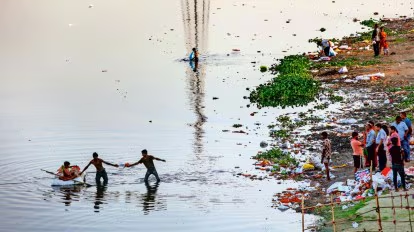
- The Yamuna River has been experiencing alarmingly high ammonia levels, particularly during the winter months.
- The Delhi Jal Board (DJB) has reported that ammonia levels often exceed the permissible limit of 1 part per million (ppm).
Sources of Ammonia
- Industrial Discharge: Factories in Panipat and Sonipat districts of Haryana release untreated effluents containing ammonia into the Yamuna.
- Agricultural Runoff: Ammonia-based fertilizers used in farming contribute to the contamination.
- Sewage: Untreated sewage from urban areas also adds to the ammonia levels in the river.
- Natural Sources: Decomposition of organic matter, such as algae, releases ammonia naturally.
Impacts of Ammonia Contamination
- Health Risks: High ammonia levels can cause internal organ damage due to its corrosive properties.
- Water Supply Disruptions: Water treatment plants cannot process water with ammonia levels above 1 ppm, leading to water shortages in Delhi.
- Environmental Damage: Ammonia reduces dissolved oxygen levels in the river, harming aquatic life and degrading the river ecosystem.
About Yamuna River
- Origin: The Yamuna originates from the Yamunotri Glacier in the Himalayas, at an elevation of 4,421 meters.
- Historical Context: Yamuna, once a tributary of the River Ghaggar (most likely the Saraswati River referred to in the Veda), changed its course eastwards due to tectonic events.
- States it Flows Through: The river basin extends through Uttarakhand, Himachal Pradesh, Haryana, Delhi, Uttar Pradesh, and Rajasthan.
- Length: 1,376 kilometres (It is the longest river in India which does not directly flow to the sea).
- Total Catchment Area: 36,220 square kilometres.
- Tributaries:
- Himalayan Region: Rishi Ganga, Hanuman Ganga, Tons, and Giri.
- Plains Region: Hindon, Chambal, Sind, Betwa, and Ken.
- Tons River: The major tributary contributing about 60% of the Yamuna’s flow.
- Confluence with Ganga: The Yamuna joins the Ganges River at Prayagraj.
- Major Cities Along the Yamuna: Noida, Mathura, Agra, Firozabad, Etawah, Kalpi, Hamirpur, and Prayagraj (Allahabad).
- Yamuna in Delhi: It enters the National Capital Territory at Palla Village and exits at Jaitpur, covering a total distance of 52 kilometres.
Conclusion
Addressing ammonia contamination in the Yamuna requires coordinated efforts between state governments, stricter industrial regulations, and improved sewage treatment. Sustainable river management is essential to restore the health of this crucial water source.
