
Standing Stones of Mudumal in Telangana
Syllabus: GS1/Geography; Indian Heritage Sites; GS3/Conservation
Context
- Recently, the Standing Stones of Mudumal, located in Telangana’s Narayanpet district, have been added to the tentative list of UNESCO World Heritage Sites.
About the Mudumal Megalithic Menhirs (Standing Stones)
- These are large standing stones (aka menhirs), some reaching heights of 10 to 14 feet, that were likely erected by prehistoric communities, arranged in a pattern.
- Located near the banks of the Krishna River.
- These stones are believed to have been used for funerary rites and astronomical observations, showcasing the advanced understanding of celestial events by prehistoric communities.
- This site is a significant remnant of the megalithic tradition in South Asia, dating back approximately 3500 to 4000 years.
- Archaeologists suggest that these megaliths date back to 1000 BCE – 300 BCE, making them contemporary to the Iron Age cultures of South India.
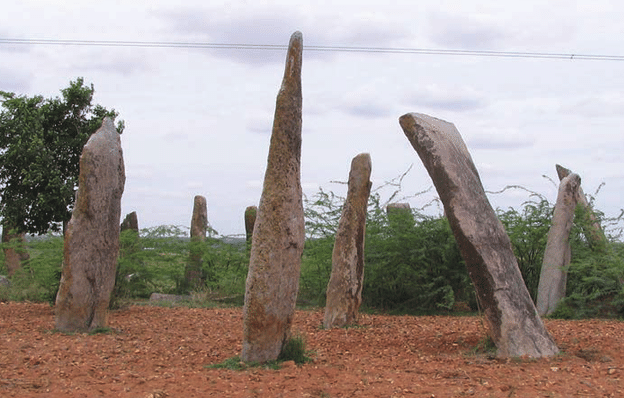
| Megalithic Culture in India – It is associated with Neolithic and Iron Age societies that thrived between 1500 BCE and 500 CE, especially in the Deccan Plateau. – The standing stones in Mudumal align with similar megalithic traditions found in other parts of South India, such as in Karnataka and Kerala. Other Similar Sites in India – Hire Benekallu in Karnataka: It is notable for its extensive collection of menhirs, dolmens, and cave paintings, earning a place on the UNESCO Tentative List in 2021. – Vibhutihalli in Karnataka: It showcases a large rectangular field of boulders arranged in avenues, demonstrating solar alignments. – Nilgiri Dolmens in Tamil Nadu: These comprise dolmens, stone circles, cists, and petroglyphs. Other Global Sites – Stonehenge in England and the Carnac stones in France (these have already been recognized by UNESCO). – The largest known menhir is the Grand Menhir Brisé in France, once stood at 20.6 m tall. |
Significance of Mudumal Menhirs
- Astronomical Importance: These menhirs are carefully positioned to align with celestial events such as solstices and equinoxes.
- Cultural and Spiritual Relevance: One particular menhir is worshipped as Goddess Yellamma, and the site is locally known as ‘Niluralla Thimmappa’ (Thimmappa of the Standing Stones).
Path to UNESCO Recognition
- The inclusion of Mudumal’s Standing Stones in the UNESCO Tentative List is the first step toward achieving full World Heritage status. The next steps involve:
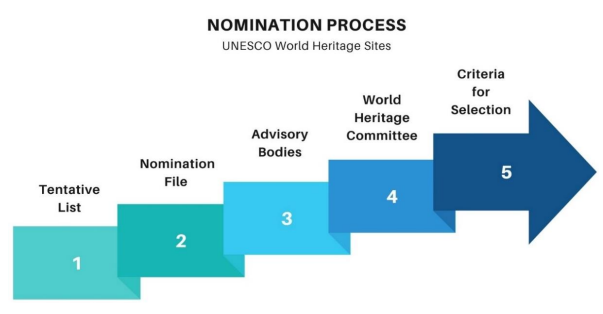
- Detailed Documentation & Research: Further archaeological and historical studies will strengthen the nomination process.
- Government and Public Support: The Indian government, along with heritage conservation bodies, must actively push for its recognition.
- UNESCO Evaluation: Experts will assess the site’s cultural and historical value before making a final decision.
Women’s Political Participation in India
Syllabus: GS1/Society
Context
- Rajeshwari Deshpande’s study, ‘Shaping of the Woman Constituency in Indian Elections: Evidence from the NES Data’ analyses political participation of women in India.
Major Highlights of the Study
- Voting Behavior & Agency: Women’s voting patterns and choices are often overlooked, with political parties treating them as a homogeneous group and not considering factors like caste, class, and religion.
- Welfare Programs: Political parties often frame women as passive beneficiaries of welfare programs like Ujjwala and Pradhan Mantri Awas Yojana, reinforcing a dependent image.
- Voting vs Political Power: Despite increased turnout, women’s political participation remains limited beyond voting.
- Women lag behind men in other forms of political participation like rallies, campaigns, and policy advocacy, facing social and structural barriers.
- Male Migration Impact: In states with large-scale male migration, women’s voter turnout has increased, especially in socially and economically ‘backward’ areas.
- State-Specific Voting Patterns: In states with strong regional parties (e.g., Tamil Nadu, Kerala), women’s preferences align more with regional movements rather than national gender-based trends.
Women’s Political Participation in India
- Unlike many countries where the gender gap in political participation began narrowing in the 1990s, India saw this shift only in the 2010s.
- In the 2019 general elections, female voter turnout slightly exceeded male voter turnout, with women making up 49.5% of the electorate.
- In the 2024 Lok Sabha elections, women had a slightly higher voting percentage (65.8%) compared to men (65.6%).
- Women, especially in rural areas, are becoming more politically conscious, active, and involved in village-level decision-making.
Global Goals
- Women’s equal participation and leadership in politics are crucial for achieving the Sustainable Development Goals (SDGs) by 2030.
- SDG 5 focuses on gender equality and women’s empowerment.
- Balanced political participation and power-sharing between women and men in decision-making is a key target set in the Beijing Declaration and Platform for Action.
Factor’s Influencing Women’s Political Participation
- Socio-Cultural Norms: Traditional gender roles and cultural expectations often limit women’s public and political involvement.
- Education and Literacy: Higher literacy rates and education levels empower women to participate more actively in politics.
- Economic Independence: Women’s workforce participation and economic independence can boost their political agency.`
- Caste, Class, and Religion: Women’s political choices are shaped by their caste, class, and religious identities, influencing their voting behavior and party affiliations.
- Political Party Strategies: The outreach and engagement of political parties with women through targeted policies or welfare schemes impact their participation.
- Social Movements: Women’s involvement in social movements and activism can strengthen their engagement in formal politics.
- Regional and State-Specific Factors: Regional political contexts, including the strength of local parties and issues specific to states, can shape women’s political behavior.

Conclusion
- The decentralization of governance which is taking place for the last two decades has increased the importance of measuring participation of women in decision making.
- Proper gender budgeting has already been worked out for inclusive growth of women.
- With more responsive data on women participation, better gender budget initiatives aim to move the country towards a gender equal society.
Making America Great Again (MAGA) Effect Outside the US
Syllabus: GS 2/IR
In News
- Donald Trump’s aggressive trade policies, particularly the imposition of higher tariffs, have had global economic repercussions.
Key Developments Under Trump’s Economic & Trade Policies
- Tariff Impositions & Trade Wars:
- Imposed tariffs on China, the EU, Canada, and Mexico, leading to retaliatory measures.
- Affected global supply chains, economic growth, and market stability.
- Increased costs for U.S. consumers and businesses, contributing to inflationary pressures.
- Challenges to International Organizations:
- Reduced U.S. contributions to the UN, and NATO.
- Signed executives orders to withdraw from membership of the World Health Organization (WHO).
- Withdrawal from Global Agreements:
- Signed executive order directing U.S. withdrawal from the Paris climate agreement — again.
- Exited the Trans-Pacific Partnership (TPP), affecting trade alliances in the Indo-Pacific.
- Impact on the U.S. Dollar & Inflation:
- Higher tariffs raised domestic prices, impacting purchasing power.
- Trade tensions led to fluctuations in global markets, affecting investor confidence.
- Some countries explored alternative trade settlements, raising concerns about the U.S. dollar’s role as the global reserve currency.
India’s Response
- Since 2016, India has raised tariffs and increased protectionist measures, diverging from its earlier trend of reducing import duties.
- Despite internal pressure, India maintained higher tariffs but is now reassessing its stance in response to Trump’s trade policies.
- The Union Budget has reduced customs duties on various items, signaling a shift away from protectionism, aiming for better trade relations with the U.S.
- Average customs duty has been reduced to 10.66% from 11.66%.
- Duty cuts on items such as bourbon, high-end cars, and motorcycles are intended primarily for Washington.
- The tariff cuts aim to address concerns over India’s high-tariff economy as global trade barriers rise.
China’s Consumption Push
- To counter the trade war with the U.S., China has introduced a comprehensive consumption boost plan, marking the most extensive policies in over 40 years.
- The plan includes raising workers’ incomes and improving domestic spending to shift from an export-driven to a consumption-driven economy.
- China aims to make people more confident in spending, with the government targeting around 5% growth.
- Analysts expect further stimulus in 2025 to mitigate the impact of U.S. tariffs.
Europe’s stand
- European leaders are reacting to the U.S. threat to withdraw defense support, with Germany increasing defense spending and setting up a 500-billion-euro infrastructure fund.
- Although the short-term impact on GDP is uncertain, these measures aim to boost Europe’s security and economic growth.
- Some European countries are considering closer ties with Canada, possibly with Canada joining the EU, as Trump’s policies push Canada away.
Way Ahead
- Expanding FTAs: India has already signed key Free Trade Agreements (FTAs) with UAE, Australia, and ASEAN nations, and is negotiating deals with the UK, EU, and Canada.
- Boosting Domestic Manufacturing: The Production-Linked Incentive (PLI) scheme should be expanded to support key sectors like electronics, pharmaceuticals, and green energy.
- Promoting Agricultural & Service Exports: Strengthening global markets for Indian agriculture, textiles, IT, and pharmaceuticals.
- Strengthening WTO’s Role: India should push for fair trade rules, particularly for developing nations in the WTO.
- Championing BRICS & G20 Economic Reforms: India, as a key BRICS and G20 member, should lead discussions on de-dollarization, alternative payment mechanisms, and sustainable finance.
- Reforming IMF & World Bank Voting Rights: Advocating for greater representation of emerging economies in financial decision-making.
NBRI Develops GM Cotton Resistant to Pink Bollworm
Syllabus: GS3/Biotechnology
Context
- Scientists at the CSIR-NBRI in Lucknow claim to have developed the world’s first genetically modified (GM) cotton that is totally resistant to the Pink Bollworm (PBW).
About
- Since the implementation of GM cotton in India in 2002, varieties such as Bollgard 1 and Bollgard 2, developed jointly with Monsanto have effectively controlled certain bollworm species.
- However, these varieties have not maintained robust defence against the PBW.
- The CSIR-National Botanical Research Institute (NBRI) is a premier research institution in India dedicated to botanical research and conservation.
Pink Bollworm (PBW)
- The pink bollworm (PBW), known among farmers as gulabi sundhi, damages the cotton crop by burrowing its larvae into the cotton bolls.
- This results in the lint being cut and stained, making it unfit for use.
- Spread: PBW primarily spreads through the air. Residue of infected crops, often left by farmers on the field to be used as fuel, can also harbour PBW larvae which can then infect future crops.
- Prevention: To prevent future infestation, fields which saw PBW infestation should not be planted with the cotton crop, for at least one season.
- Farmers are advised to burn residue at the earliest, and ensure there is no mixing between healthy and unhealthy seeds (or cotton).
What are GM crops?
- Crops that have undergone genetic engineering processes to alter their DNA are referred to as genetically modified crops.
- This alteration is done to introduce desirable traits such as resistance to pests or herbicides, improved nutritional content, or increased yield.
- The process of creating GM crops typically involves: identification of desired traits, isolation of genes, insertion into crop genome, and expression of the trait.
- The techniques used in GM crops are: gene guns, electroporation, microinjection, agrobacterium etc.
- The types of modification are: transgenic, cis-genic, subgenic and multiple trait integration.
- The main trait types in GM crops are herbicide tolerance (HT), insect resistance (IR), Stacked traits etc.
Indian Scenario in GM crops
- Bt Cotton: In 2002, the GEAC had allowed the commercial release of Bt cotton.
- Bt cotton has two alien genes from the soil bacterium Bacillus thuringiensis (Bt) that allows the crop to develop a protein toxic to the common pest pink bollworm.
- Till now, it is the only GM crop that is allowed in India.
- Many varieties of GM crops are under different stages of development, like Bt brinjal and DMH-11 mustard.
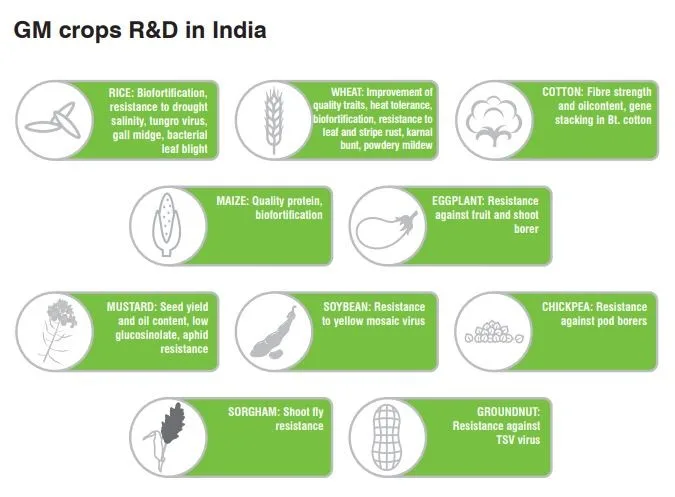
| Regulatory framework in India – The Genetic Engineering Appraisal Committee (GEAC): It under the Ministry of Environment, Forest and Climate Change (MoEF&CC), is responsible for the assessment of proposals related to the commercial release of GM crops. – Acts and rules that regulate GM crops in India are: 1. Environment Protection Act, 1986 (EPA) 2. Biological Diversity Act, 2002 3. Plant Quarantine Order, 2003 4. GM policy under Foreign Trade Policy 5. Food Safety and Standards Act, 2006 6. Drugs and Cosmetics Rule (8th Amendment), 1988. |
