
SC Sets up Task Force to Address Student Suicides
Syllabus: GS1-Society/GS2-Governance
Context
- The Supreme Court has set up a national task force to address students’ mental health concerns and prevent suicides in higher educational institutions.
About
- The Supreme Court noted that student suicides in higher educational institutions, including IITs, have increased, surpassing the number of farmer suicides due to agrarian distress.
- The recurring incidents highlight the institutional frameworks in addressing student mental health, emphasizing the need for better mechanisms to prevent suicides.
Task Force Established
- 10-Member Task Force: Formed to investigate causes of student suicides, including ragging, caste-based discrimination, academic pressure, financial stress, and mental health stigma.
- Assessment of Current Frameworks: The task force will evaluate the effectiveness of existing laws, policies, and frameworks in higher education and suggest improvements.
- Authority for Surprise Inspections: The task force has the authority to conduct surprise inspections at higher education institutions.
- Flexible Mandate: The task force can make recommendations beyond its specified mandate if necessary.
- Reporting Timeline: The court has ordered the task force to present an interim report within four months and a final report within eight months.
Student’s Suicide in India
- As per the Report of the National Crime Records Bureau 2022, over 13,000 students having lost their lives by committing suicide in the country.
- Surge in Student Suicides: Student suicides in India have risen at an alarming annual rate of 4%, double the national average.
- Gender Trends: Between 2021-2022, male suicides decreased by 6%, while female suicides increased by 7%.
- States: Maharashtra, Tamil Nadu, and Madhya Pradesh account for one-third of student suicides.
Reasons for the Rise in Student’s Suicide
- Academic Pressure: Intense competition and high expectations in educational institutions, particularly in coaching hubs like Kota.
- Mental Health Issues: Increasing rates of depression, anxiety, and stress among students, with inadequate mental health support systems.
- Social Stigma: Stigma surrounding mental health, discouraging students from seeking help.
- Caste and Gender Discrimination: Discrimination based on caste, gender, and other social factors within academic institutions.
- Family and Financial Strain: Pressure from families to perform well academically, often combined with financial difficulties.
- Failure and Academic Setbacks: Struggles with failing exams, academic underachievement, and fear of failure leading to despair.
- Lack of Support Systems: Insufficient counseling services and mental health infrastructure in educational institutions.
- Social Media and Peer Pressure: The impact of social media on self-esteem, comparison with peers, and bullying.
Government Initiatives
- Manodarpan Initiative: The Union Education Ministry launched ‘Manodarpan,’ a program providing psychological support to students through a national toll-free helpline and website.
- Rajasthan Government Actions: Issued mental health guidelines in 2022 and 2023, enforced by district administrations.
- Appointed 90 psychological counselors to support students.
- Introduced a toll-free helpline for student assistance.
- 10,000 hostel gatekeepers have been trained to identify signs of mental distress among students.
- Dinner with DM Initiative in Kota: A program where students in distress can meet district administration officials for support and counselling.
- Helpline for Support: Students facing distress or suicidal tendencies can call the helpline at 104 for assistance.
- National Mental Health Policy: Focused on improving mental health infrastructure and awareness in educational institutions.
Way Ahead
- Need for Mental Health Focus: The IC3 (Career Counseling Program) Institute emphasizes the need for a shift in educational focus to prioritize student well-being over competitive pressures.
- NCRB Report: The report advocates for a robust, integrated career and college counseling system within institutions to address mental health challenges and student aspirations.
- The report stresses the importance of shifting the focus from academic competition to nurturing students’ core competencies and well-being to prevent further suicides.
Judiciary’s In-House Inquiry Against Delhi High Court Judge
Syllabus: GS2/Judiciary
Context
- Recently, the Chief Justice of India (CJI) initiated an unprecedented three-member in-house inquiry into the conduct of Delhi High Court judge Justice Yashwant Varma.
About the In-House Inquiry
- Origins and Evolution:
- The need for an in-house inquiry mechanism arose in 1995 following allegations of financial impropriety against Bombay High Court Chief Justice A.M. Bhattacharjee.
- In-House Procedure was formulated by the Supreme Court in 1997 following a case involving allegations against Justice V. Ramaswami, a former SC judge.
- The process was refined in 2014 after a sexual harassment complaint led to the establishment of a seven-step inquiry framework
Key Features of the In-House Inquiry
- Distinct from Impeachment: Unlike impeachment, which requires Parliamentary approval under Article 124(4) of the Constitution, the in-house inquiry is an internal mechanism aimed at addressing conduct inconsistent with judicial values.
- Formation of Inquiry Committees: Committees typically consist of senior judges from different High Courts to ensure impartiality.
- For the current case, a three-member committee includes the Chief Justice of Punjab & Haryana High Court, Chief Justice of Himachal Pradesh High Court, and a Justice of Karnataka High Court.
- Transparency: Recent inquiries have demonstrated a commitment to transparency, with reports and evidence made publicly accessible.
Process of In-House Inquiry
- Preliminary Scrutiny: Complaints against judges are first examined by the Chief Justice of India (CJI) in the case of SC judges, or by the Chief Justice of the respective High Court for HC judges.
- Formation of a Committee: If a prima facie case is established, a three-judge committee is formed to investigate the allegations.
- Inquiry Proceedings: The committee examines the evidence, questions the accused judge, and determines whether the allegations hold merit.
- Report Submission: The committee submits its findings to the CJI, who then decides on further action.
Possible Outcomes
- If the judge is found guilty of misconduct, the report is sent to the President of India for consideration of removal via Parliamentary impeachment.
- If the misconduct is minor, the judge may be advised to resign voluntarily.
- If the allegations are baseless, the matter is dropped.
Challenges in the In-House Inquiry Process
- Lack of Transparency: The inquiry is conducted behind closed doors, and reports are not made public. It raises concerns about accountability.
- No Binding Authority: Even if misconduct is established, the judiciary cannot directly remove a judge; impeachment by Parliament is required.
- Rare Impeachment: The complex impeachment process makes it nearly impossible to remove judges, as seen in the cases of Justice Ramaswami (1991) and Justice S. N. Shukla (2022).
- Political Influence: The impeachment process can be influenced by political considerations, reducing its effectiveness.
- Delayed Justice: Investigations often take years, diminishing public faith in judicial accountability.
Notable Cases of Judicial Inquiry in India
- Justice V. Ramaswami Case (1991): The first judge to face impeachment proceedings, but Parliament failed to remove him due to political maneuvering.
- Justice Soumitra Sen Case (2011): Found guilty of financial misconduct by an in-house inquiry; the Rajya Sabha passed an impeachment motion, but he resigned before the Lok Sabha could vote.
- Justice S. N. Shukla Case (2022): Accused of favoring private medical colleges; he was found guilty by an in-house inquiry, but impeachment did not follow.
Recommendations for Reform
- Make Inquiry Reports Public: Increasing transparency will enhance public trust.
- Strengthen Judicial Oversight Bodies: The establishment of Judicial Standards and Accountability Commission will be a significant step towards ensuring transparency and accountability in the judiciary.
- Introduce Alternative Disciplinary Mechanisms: Instead of only relying on impeachment, other disciplinary actions like suspensions or fines should be considered.
- Ensure Time-Bound Proceedings: Delays in inquiries should be minimized to prevent judicial misconduct from going unpunished.
Inclusive Development
Syllabus: GS3-Economy/GS2-Governance
Context
- President Droupadi Murmu emphasized the importance of inclusive development for all regions, including those affected by Maoist extremism in Chhattisgarh.
About
- She stressed the need to balance modern development with environmental protection and the inclusion of all sections of society in the development process.
- Naxalism or Left Wing Extremism (LWE) is one of the major challenges to India’s internal security.
- Naxalites seek to overthrow the State through violent means.
- Naxal affected areas in India are known as the ‘Red Corridor’.
- The States of Chhattisgarh, Jharkhand, Orissa and Bihar are considered severely affected.
- She emphasized the “saturation approach” to ensure that no citizen is left behind in India’s development journey.
What is Inclusive Development?
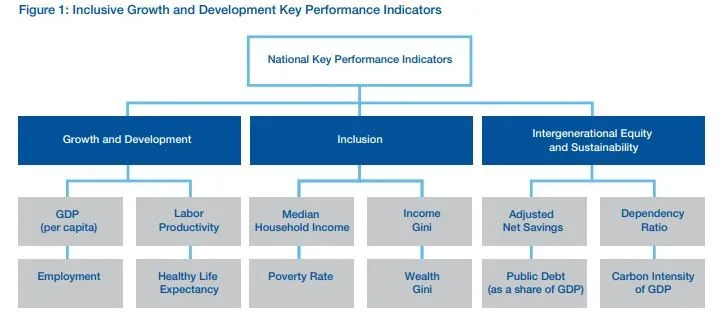
- Inclusive Development refers to a development approach that ensures all segments of society have equal access to opportunities, resources, and benefits of economic, social, and political progress.
- It focuses on reducing inequality and addressing the needs of diverse populations.
- The Indian model of inclusive growth, viewed from a development economics perspective, has three pillars: Market economics, Empowerment, and Pragmatism.
- India ranked 62nd out of 74 emerging economies in the World Economic Forums’ Inclusive Development Index (IDI), last released in 2018.
- The three key approaches for inclusive development include:
- Good governance (progressive politics, effective management and successful engagement in the global economy;
- Structural transformation, (economic, social and demographic), and;
- Multi-pronged policy and programme mix (macroeconomic policies, sound institutions, public-private sector development, effective economic policy management).
Identified Segments for Inclusive Development
- Tribal and Rural Communities: Assimilation of communities in society; educating at grassroot level; electricity, network connectivity; connectivity through roads; pucca houses; introduction to new basic technologies etc.
- Physically Disabled: Providing facilities such as wheelchairs and audio-visual aids; installation of ramps and tactical paths for easy accessibility; training of individuals on interacting with differently abled; skilling specially-abled, etc.
- Streamlining Unbanked Section: Awareness should be provided related to the importance of bank accounts in rural and tribal areas, financial literacy, mobile banking etc.
- Women: Pre- and post-pregnancy care, healthcare, education, childcare, skill-development, opportunities for financial improvement etc.
Difference Between Inclusive Growth and Development:
| Aspect | Inclusive Growth | Inclusive Development |
|---|---|---|
| Focus | Primarily focuses on economic aspects such as income and employment. | Broader scope, including social justice, healthcare, education, and infrastructure. |
| Measurement | Often measured by GDP growth, income levels, and employment rates. | Measured by indicators such as HDI (Human Development Index), quality of life, and social equity. |
| Policy Approach | Promotes policies to create equal economic opportunities. | Advocates for policies that provide both economic and social empowerment, including welfare schemes. |
Need for Inclusive Development in India
- Addressing Inequality: India has significant disparities in income, education, healthcare, and living standards, particularly between urban and rural areas, and among different social groups.
- Empowering Marginalized Communities: Large sections of society, including tribal communities, women, and the differently-abled, remain excluded from mainstream development and opportunities.
- Promoting Social Justice: Inclusive development ensures that every citizen, regardless of their background, has access to the benefits of growth, promoting fairness and reducing social tensions.
- Economic Growth: India can unlock the full potential of its population, leading to more sustainable and equitable economic growth.
- Global Competitiveness: A more inclusive society leads to a more productive, skilled, and innovative workforce, enhancing India’s global competitiveness.
- Sustainable Development: It aligns with the goal of long-term, sustainable growth, considering the needs of all sections of society, including future generations.
Constitutional Framework for Inclusive Development
- Fundamental Rights (Part III):
- Equality Before Law (Article 14): Guarantees equality for all citizens.
- Prohibition of Discrimination (Article 15): Ensures no discrimination on grounds of religion, race, caste, sex, or place of birth.
- Equality of Opportunity (Article 16): Ensures equal opportunities in public employment.
- Right to Education (Article 21A): Guarantees free education for children aged 6 to 14.
- Protection of Minorities (Articles 29 & 30): Safeguards the cultural and educational rights of minorities.
- Directive Principles of State Policy (Part IV):
- Social Justice (Article 38): Promotes the welfare of the people, focusing on justice and reducing inequalities.
- Promotion of Weaker Sections (Article 46): Aims to protect and promote the interests of SCs, STs, and OBCs.
- Reservation and Affirmative Action: Articles 15(4) and 16(4) allow for affirmative action, such as reservations in education and employment for SCs, STs, and OBCs.
- Panchayats and Local Governance (Part IX): Article 243N strengthens local self-governance, ensuring the participation of marginalized communities.
- Legal Protection for Vulnerable Groups: Laws like the Protection of Civil Rights Act, 1955 and the SC/ST (Prevention of Atrocities) Act, 1989 protect disadvantaged communities from discrimination and violence.
- Judicial Oversight: The Supreme Court and High Courts ensure that policies align with the constitutional values of equality and justice.
Conclusion
- There are many Government initiatives focused on providing opportunities, resources, and social security for marginalized communities, ensuring broad-based growth and well-being.
Govt Notifies Revised Criteria for Classifying MSMEs
Syllabus: GS3/ Economy
In News
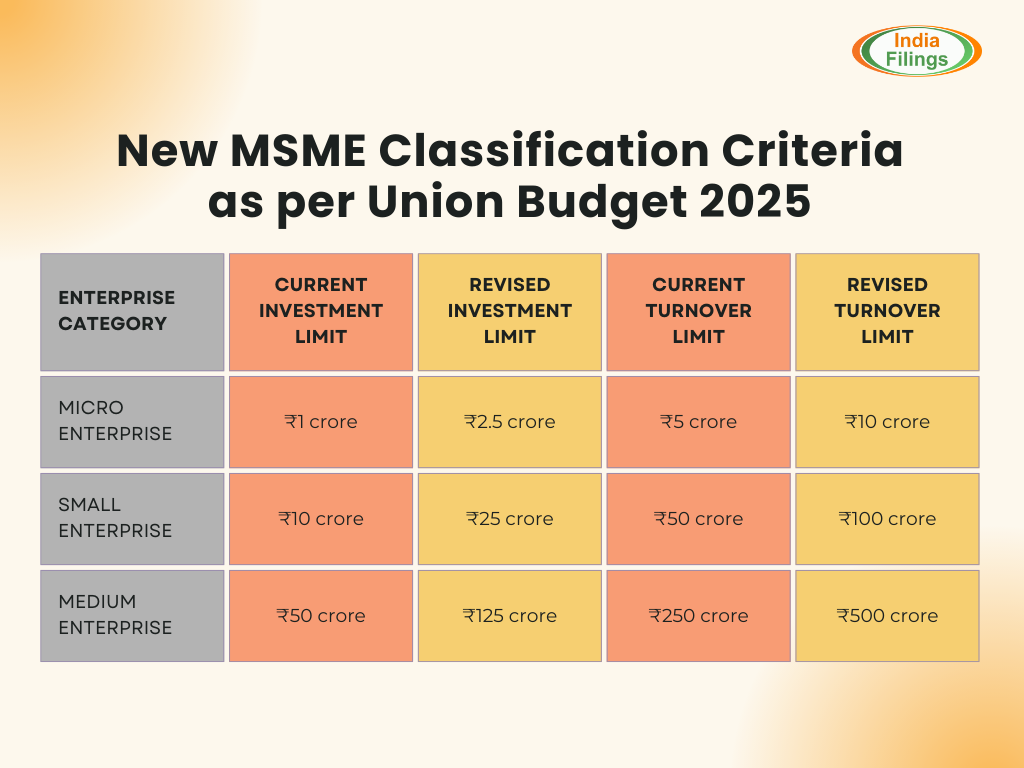
- The government has notified significant revisions to the turnover and investment criteria for classifying Micro, Small, and Medium Enterprises (MSMEs), which will come into effect from April 1.
Significance of MSMEs
- Dynamic & Vibrant: Evolving over five decades, MSMEs play a vital role in India’s economic and social development.
- Employment: Employs 24.14 crore people, making it second only to agriculture in job creation.
- Nearly 40% of the 6.13 crore registered MSMEs are women-owned.
- Ancillary Role: Complements large industries, serving as ancillary units and boosting inclusive industrial development.
- Rural Reach: Helps industrialise rural and backward areas, reducing regional disparities.
- Global Footprint: Produces a diverse range of products and services for both domestic and international markets.
- Self-Reliance Mission: With over 6 crore units, MSMEs are key to building a strong, self-reliant India.
Challenges of MSMEs
- Limited Access to Finance: Many MSMEs lack formal credit history, collateral, or proper documentation to secure loans from banks.
- Example: According to SIDBI, only 16% of MSMEs get formal credit; the rest rely on informal sources or NBFCs at higher interest rates.
- Low Technology Adoption: Most units still operate with outdated machinery, affecting productivity, quality, and scalability.
- Example: Textile MSMEs in Surat still rely on traditional looms, limiting their ability to compete with Chinese manufacturers.
- Limited Market Access & Exports: MSMEs contribute 48% to India’s exports, but only a small percentage are directly exporting.
- Example: Handicraft MSMEs in Rajasthan often lack online platforms or export licenses to scale internationally.
- Skill Shortage & Labour Issues: Over 70% of MSMEs face difficulty in hiring skilled manpower, as per a FICCI survey.
- Delayed Payments from Buyers: Larger companies delay payments, choking the cash flow of MSMEs.
- Example: MSMEs supplying to government PSUs often face delays of 3–6 months, disrupting working capital cycles.
Initiatives to Boost MSMEs
- Udyam Registration Portal: A simplified online portal for MSME registration, providing them with a unique identification number and facilitating access to various government schemes.
- Public Procurement Policy for MSEs: Mandates that a certain percentage of procurement by government ministries and PSUs must be sourced from MSEs.
- Entrepreneurship and Skill Development Programme (ESDP): Conducts various training programs to promote entrepreneurship and develop skills relevant to MSMEs.
- Credit Guarantee Fund Trust for Micro and Small Enterprises (CGTMSE): Provides collateral-free loans up to ₹5 crore to MSMEs. The guarantee coverage varies based on the loan amount and category of the borrower.
- Pradhan Mantri Mudra Yojana (PMMY): Offers loans up to ₹10 lakh to non-corporate, non-farm small and micro-enterprises. These loans are categorized as ‘Shishu’ (up to ₹50,000), ‘Kishore’ (above ₹50,000 and up to ₹5 lakh), ‘Tarun’ (above ₹5 lakh and up to ₹10 lakh) and ‘Tarun Plus’ ( between 10 lakh to 20 lakh).
- Scheme of Fund for Regeneration of Traditional Industries (SFURTI): Organizes traditional artisans into clusters to make them more competitive and provide sustainable employment.
- PM Vishwakarma: Provides comprehensive support to artisans and craftspeople, focusing on skill development, toolkits, credit access, and market linkage.
DNA’s Role in Identification
Syllabus :GS 3/Science and Tech
In Context
- DNA has been instrumental in solving cold cases by analyzing profiles from archived crime scene materials.
Deoxyribonucleic acid (DNA)
- It is the hereditary material in humans and most organisms, with nearly every cell containing the same DNA.
- It is primarily found in the cell nucleus as nuclear DNA, though a small amount exists in mitochondria as mitochondrial DNA.
- DNA is made up of four chemical bases: adenine (A), guanine (G), cytosine (C), and thymine (T), which pair up to form base pairs (A with T, C with G).
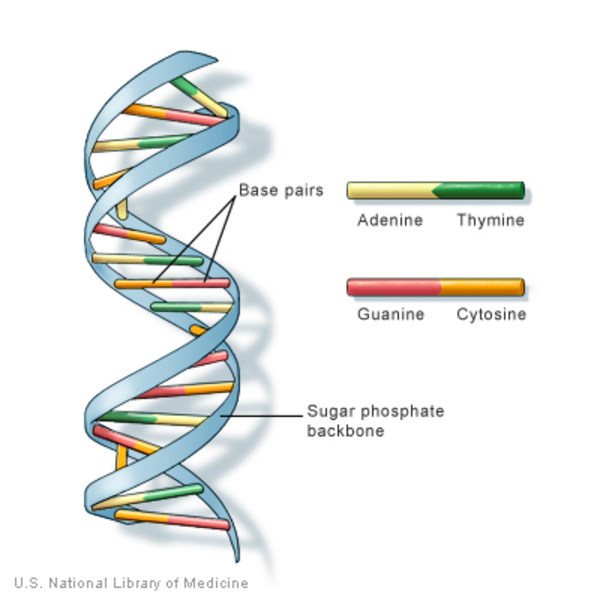
- These bases are attached to sugar and phosphate molecules, forming nucleotides that create a double helix structure.
- The sequence of these bases encodes information for building and maintaining organisms, similar to how letters form words.
- DNA can replicate, making exact copies of itself, which is crucial for cell division, ensuring that new cells contain the same DNA as the original.
DNA’s and Identification
- DNA acts like a biological fingerprint, used to uniquely identify individuals, much like an Aadhaar number does for social security.
- DNA is present in every cell of the body, and each cell contains 46 DNA molecules—23 inherited from the mother and 23 from the father.
- DNA is packed in chromosomes. For example, chromosome 3 contains 6.5% of the total DNA.

Polymerase Chain Reaction (PCR)
- PCR is used to amplify (copy) specific DNA sequences, even from small amounts of DNA.
- The process involves separating DNA strands, binding primers to target sequences, and using DNA polymerase to replicate the sequence. It can create millions of copies in about 50 minutes.
Applications of DNA Fingerprints
- DNA fingerprints are used in forensic science, paternity testing, disaster victim identification, and organ donation matching.
- They can also help solve cold cases by identifying suspects or exonerating wrongly accused individuals.
Importance
- DNA is highly stable, and scientists have successfully extracted DNA from ancient human remains (e.g., 65,000 years old).
- This stability makes DNA useful in solving crimes from archived materials.
