
Topic 1: Elevation of India-Slovakia Ties to Comprehensive Partnership
Subject Focus: International Relations
Syllabus
- GS Paper 2: Bilateral, regional and global groupings and agreements involving India and/or affecting India’s interests.
Context
During the historic first-ever official state visit of the Indian Prime Minister to Bratislava on June 15–16, 2026, India and Slovakia officially elevated their bilateral relations to a “Comprehensive Partnership,” signing 11 pivotal agreements spanning labor migration, digital infrastructure, and trade.
Main Body: Multi-Dimensional Analysis
- Strategic Entry into Central Europe: Slovakia serves as a crucial industrial and logistical gateway within Central Europe, making enhanced ties a key priority for India’s broader European engagement.
- Formalized Labor Mobility: The signing of a comprehensive migration and mobility partnership addresses critical labor shortages in Slovakia’s automotive and electronic manufacturing hubs while providing structured, legal avenues for skilled Indian youth.
- Diversification of Supply Chains: The 11 agreements establish joint frameworks to secure semiconductor and electronics supply chains, mitigating heavy reliance on single-nation manufacturing ecosystems.
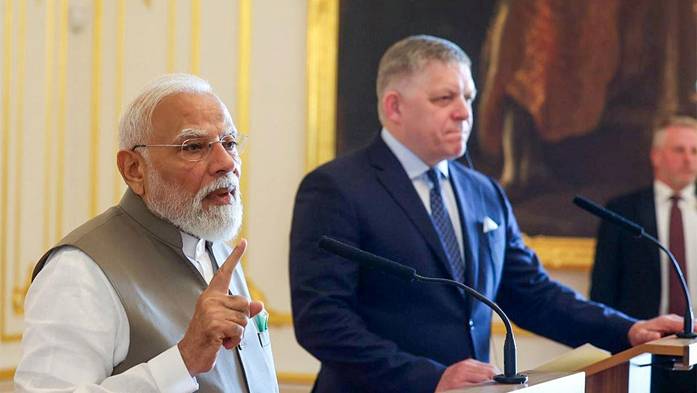
- Digital Public Infrastructure (DPI) Export: India shared plans to collaborate on digital governance, offering its robust tech stacks (like UPI and Aadhaar architectures) to modernize Slovakia’s administrative frameworks.
- Geopolitical Convergence: Both nations issued joint declarations emphasizing adherence to international law, maritime freedom, and a reformed multilateral global governance model.
Positives, Negatives, & Government Schemes
| Dimension | Details |
| Positives | Creates legal employment frameworks for Indian professionals, expands India’s geopolitical footprint in Central Europe, and increases bilateral technological collaboration. |
| Negatives | Diplomatic balancing required given Central Europe’s complex position regarding continental security architectures and eastern regional dynamics. |
| Associated Initiatives | Skill India Mission, India-EU Broad-based Trade and Investment Agreement (BTIA) negotiations. |
Examples
- Similar comprehensive partnerships signed with other central and eastern European nations have previously catalyzed a 35% growth in Indian engineering exports to the region.
Way Forward
- Expedite the implementation of the fast-track business mechanism to operationalize the 11 agreements without bureaucratic delay.
- Set up an Indian institutional skill-mapping center in Bratislava to align Indian technical education with Slovak industrial requirements.
Conclusion
Elevating ties with Slovakia marks a strategic milestone, demonstrating India’s intent to look beyond traditional western European powers to secure deep economic and technological alliances across central Europe.
Practice Mains Question
- Q: Evaluate the strategic and economic significance of India elevating its bilateral relations with Central European nations like Slovakia. How does it augment India’s broader European policy? (150 words)
Topic 2: Appointment of Lieutenant General Dhiraj Seth as the Next Chief of the Army Staff
Subject Focus: Defence & Security
Syllabus
- GS Paper 3: Various Security forces and agencies and their mandate.
Context
The Government of India officially announced the appointment of Lieutenant General Dhiraj Seth, PVSM, UYSM, AVSM, as the next Chief of the Army Staff (COAS). He is scheduled to take over the command on June 30, 2026, upon the retirement of the incumbent Chief, General Upendra Dwivedi.
Main Body: Multi-Dimensional Analysis
- Institutional Continuity and Meritocracy: The transition highlights a structured institutional pipeline within the top brass of the Indian Armed Forces, prioritizing extensive operational experience along contested borders.
- Command Capability at Borders: Having previously commanded critical formations along the northern borders, Lt Gen Seth’s elevation underscores the military’s ongoing focus on high-altitude combat readiness and infrastructure development along the Line of Actual Control (LAC).
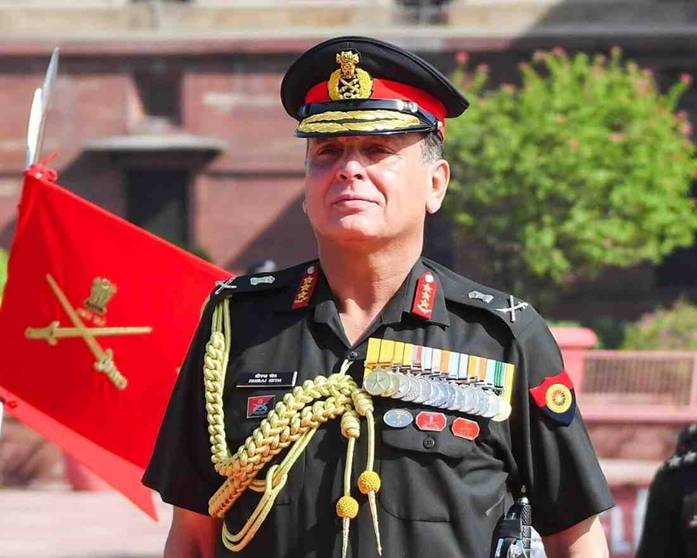
- Modernization and Atmanirbharta: The incoming chief faces the primary challenge of driving the Indian Army’s complete transition toward indigenized weapon platforms, surveillance tech, and drone warfare integrations under the “Make in India” defense initiative.
- Integrated Theatre Commands: Lt Gen Seth will be central to implementing the much-discussed tri-service integration, converting the individual command structures into unified Theater Commands to optimize joint-warfare capabilities.
- Human Resource Management: Addressing promotional bottlenecks and refining operational rotations for boots on the ground remain high on the institutional agenda under the new leadership.
Positives, Negatives, & Government Schemes
| Dimension | Details |
| Positives | Decorated combat record ensures high troop morale; operational continuity along sensitive frontier borders is maintained. |
| Negatives | Deep structural resistance within the individual service arms presents a major hurdle to achieving seamless theaterization. |
| Associated Initiatives | Theaterization of Indian Armed Forces, Innovations for Defence Excellence (iDEX), Atmanirbhar Bharat in Defence. |
Examples
- The successful high-altitude deployment of indigenous Light Combat Helicopters (Prachand) demonstrates the tactical alignment required between top leadership and defense R&D.
Way Forward
- Accelerate the joint-services consensus framework to roll out the maritime and continental theater commands by the end of the financial year.
- Prioritize immediate budgetary allocations toward counter-drone systems and artificial-intelligence-driven cyber defense capabilities.
Conclusion
The transition in the top military command comes at a crucial juncture, requiring the new chief to balance active frontier vigilance with deep, structural structural reforms to future-proof India’s defense forces.
Practice Mains Question
- Q: The transformation of the Indian Army from a traditional force to a technology-driven, theaterized command structure presents unique institutional challenges. Discuss the role of the military top brass in navigating this transition. (150 words)
Topic 3: DRDO Restructures Integrated Missile Defence System Post Landmark Tests
Subject Focus: Defence Technology
Syllabus
- GS Paper 3: Science and Technology- developments and their applications and effects in everyday life; Indigenization of technology.
Context
Following three consecutive successful flight tests on June 15–16, 2026, demonstrating a highly integrated, multi-layered Ballistic Missile Defence (BMD) system and the maiden flight of the Naval Anti-Ship Missile–Medium Range (NASM-MR), the DRDO announced an organizational restructuring to streamline production lines.
Main Body: Multi-Dimensional Analysis
- Strategic Shield Consolidation: The tests validated India’s Phase-II BMD capability, which features interceptors engineered to track and destroy incoming Intermediate-Range Ballistic Missiles (IRBMs) via exo- and endo-atmospheric engagement.
- Deepening Naval Sea-Denial: The successful test of the indigenous NASM-MR provides the Indian Navy with an expanded strike envelope, reducing historical reliance on aging imported anti-ship platforms like the Sea King helicopter munitions.
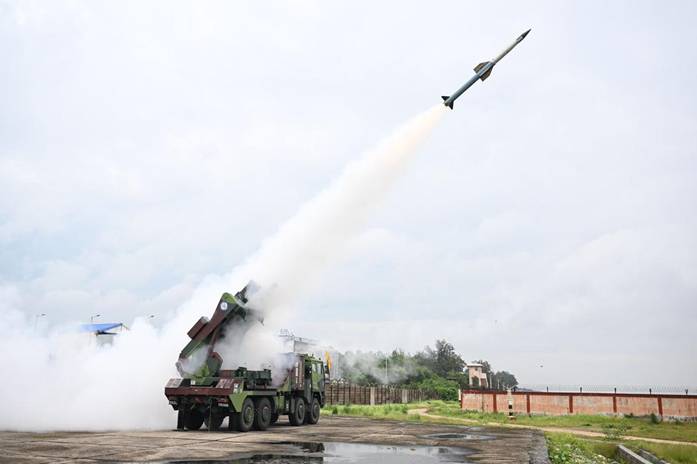
- Indigenization of High-Tech Sensors: The missile systems rely heavily on locally fabricated active radar seekers and advanced guidance algorithms, validating India’s growing self-reliance in cutting-edge military electronics.
- Enhanced Deterrence Posture: Operationalizing a dependable, multi-tiered missile shield alters the regional deterrence equation, providing a reliable defense cushion against multi-directional aerospace threats.
- Civil-Military Technological Spillover: The precision tracking and guidance software developed for these defense systems are being actively repurposed for space situational awareness programs run by ISRO.
Positives, Negatives, & Government Schemes
| Dimension | Details |
| Positives | Drastically reduces defense import bills, creates a formidable maritime security umbrella, and establishes technology parity with advanced nations. |
| Negatives | High research and development gestation periods can sometimes create temporary technology-refresh gaps before mass production lines open. |
| Associated Initiatives | Integrated Guided Missile Development Programme (IGMDP) legacy tracking, Atmanirbhar Bharat, Make-I category projects. |
Examples
- The successful deployment of the older NASM-Short Range (SR) variant in 2022 served as the technical foundation for developing the medium-range missile tested today.
Way Forward
- Partner with domestic private aerospace majors via Technology Transfer (ToT) models to rapidly transition these prototypes into mass assembly lines.
- Integrate these standalone missile defense nodes into a single, automated national command and control network using secure quantum communication links.
Conclusion
Achieving independent capability in multi-layered missile defense and medium-range naval strike systems cements India’s position as a technology leader in regional security architectures, safeguarding both land borders and critical maritime trade corridors.
Practice Mains Question
- Q: Detail the strategic significance of the Multi-Layered Ballistic Missile Defence (BMD) system in India’s national security doctrine. How does indigenous capability in missile systems support tactical autonomy? (150 words)
Topic 4: Hike in Windfall Taxes on Fuel Exports to Regulate Refining Margins
Subject Focus: Economy
Syllabus
- GS Paper 3: Indian Economy and issues relating to planning, mobilization of resources, growth, development and employment.
Context
The Union Government announced an upward revision of the Special Additional Excise Duty (SAED) or windfall tax on the export of diesel and Aviation Turbine Fuel (ATF), effective June 16, 2026, while leaving domestic retail fuel prices completely untouched.
Main Body: Multi-Dimensional Analysis
- Sovereign Resource Mobilization: The increase re-calibrates taxes on diesel exports to ₹14 per liter (up from ₹13.5) and ATF to ₹12.5 per liter, capturing a portion of the supernormal profits earned by domestic refiners due to volatile global cracks.
- Insulating the Domestic Market: By placing the tax levy exclusively on overseas shipments, the policy creates a clear wall that safeguards domestic consumers from international oil spikes, keeping retail prices stable at Indian pumps.
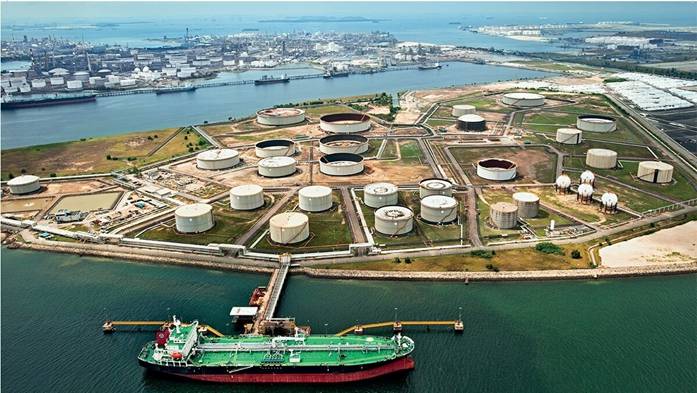
- Periodic Review Mechanism: The move highlights the state’s agile fiscal policy, using a fortnightly review system based on moving averages of international crude benchmarks and refining margins.
- Impact on Corporate Capital Expenditures: While the tax trims the massive margins of private and public refining giants, it encourages them to pivot capital investments toward domestic storage infrastructure and green transition projects.
- Macroeconomic Stability: The revenue generated through these special levies helps the government narrow its fiscal deficit without resorting to inflationary direct or indirect taxes on common consumer goods.
Positives, Negatives, & Government Schemes
| Dimension | Details |
| Positives | Generates non-tax revenue for development spending, checks domestic supply depletion, and leaves public transport/logistics fuel costs steady. |
| Negatives | Frequent fiscal adjustments can potentially introduce policy uncertainty for global oil majors looking to invest in long-term domestic upstream blocks. |
| Associated Initiatives | Central Excise Act framework, Fiscal Responsibility and Budget Management (FRBM) targets. |
Examples
- The implementation of the windfall tax mechanism since mid-2022 has consistently acted as a shock absorber during global energy market disruptions caused by geopolitical tensions.
Way Forward
- Introduce a transparent, formula-driven trigger matrix for windfall tax adjustments to minimize market speculation and enhance predictability for refiners.
- Channel a dedicated percentage of the windfall tax revenues into the National Green Hydrogen Mission to accelerate renewable alternatives.
Conclusion
The strategic recalibration of export levies on fuel serves as an effective fiscal tool, striking a delicate balance between extracting sovereign revenue from abnormal global corporate profits and protecting the domestic economy from international energy inflation.
Practice Mains Question
- Q: Analyze the rationale behind the imposition of a windfall tax on energy exports. How does this mechanism assist the state in achieving resource mobilization while insulating domestic consumers? (150 words)
Topic 5: West Asia Instability Disrupts India’s Basmati Rice Trade
Subject Focus: Economy / International Trade
Syllabus
- GS Paper 3: Major crops-cropping patterns in various parts of the country; export of agricultural products.
Context
Trade data released on June 16, 2026, revealed that India’s premium Basmati rice exports plummeted by nearly 25% over the preceding quarter due to deep systemic instability in West Asia, a region that traditionally absorbs the lion’s share of India’s overseas shipments.
Main Body: Multi-Dimensional Analysis
- Vulnerability of Agri-Export Anchors: Basmati rice is a major agricultural export earner for India. A localized crisis in its primary destination hub highlights the vulnerability of focusing trade dependencies within a single geographical zone.
- Logistical Bottlenecks & Freight Spikes: Ongoing maritime security risks in regional shipping lanes have led to soaring insurance premiums and container freight rates, pricing out Indian exporters from traditional retail networks.
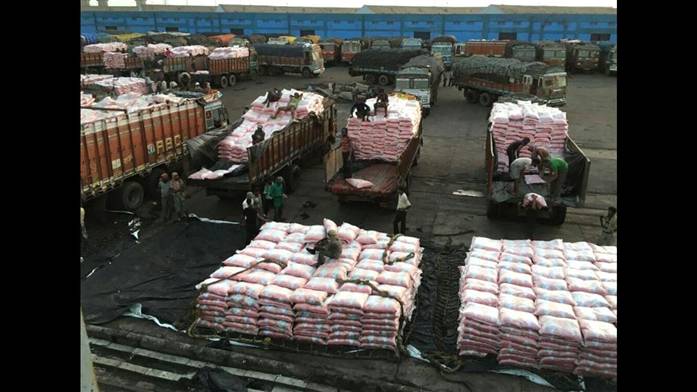
- Impact on Farmgate Incomes: The drop in export off-take is threatening to create a domestic supply glut, exerting downward pressure on market prices and impacting paddy farmers across Punjab, Haryana, and western Uttar Pradesh.
- Payment Settlement Disruptions: Geopolitical banking sanctions and regional currency volatility have disrupted the smooth flow of trade financing, forcing exporters to seek alternative, complex payment clearings.
- Quality Compliance & Warehousing Strain: Long transit delays are straining domestic specialized warehousing facilities, as premium basmati requires strictly controlled conditions to maintain its aromatic profile and market value.
Positives, Negatives, & Government Schemes
| Dimension | Details |
| Positives | Higher domestic availability may cool down domestic premium food inflation index markers in urban centers in the short term. |
| Negatives | Massive drop in agricultural foreign exchange earnings, depletion of exporter capital liquidity, and long-term risk of losing shelf space to global competitors. |
| Associated Initiatives | Agricultural and Processed Food Products Export Development Authority (APEDA), Trade Infrastructure for Export Scheme (TIES). |
Examples
- Previous disruptions during the 2019 geopolitical friction lines in Iran led to similar immediate payment backlogs that took nearly two fiscal cycles for Indian exporters to clear.
Way Forward
- APEDA must aggressively fund trade delegations to alternative wealthy import markets in North America, Europe, and the ASEAN region to diversify export risks.
- Launch an emergency credit-line facility for affected basmati exporters to prevent capital insolvency during the extended payment realization cycles.
Conclusion
The contraction in basmati exports emphasizes that agricultural trade policy must move beyond market concentration, actively building resilient shipping routes and diversified global buyer bases to insulate farmers from overseas geopolitical shocks.
Practice Mains Question
- Q: Geopolitical volatility in primary export destinations can destabilize domestic agricultural economies. Examine this statement with respect to recent trends in India’s basmati rice trade. (150 words)
Topic 6: AIADMK Approaches Madras High Court Over MLA Resignations
Subject Focus: Polity / Judicial Review
Syllabus
- GS Paper 2: Structure, organization and functioning of the Executive and the Judiciary; provisions related to defection/resignations.
Context
The AIADMK has officially moved the Madras High Court challenging the Tamil Nadu Legislative Assembly Speaker’s swift acceptance of the resignations of four party MLAs who subsequently shifted political allegiance to the Tamizhaga Vettri Kazhagam (TVK).
Main Body: Multi-Dimensional Analysis
- Judicial Scrutiny of Legislative Discretion: The petition opens up a vital constitutional debate regarding the boundaries of the Speaker’s powers under Article 190(3)(b) of the Constitution, which mandates that a resignation must be voluntary and genuine.
- Anti-Defection Loophole vs. Resignation: The opposition argues that immediate resignations are being used as a strategic tool to bypass the strict disqualification provisions of the Tenth Schedule, avoiding a formal defection trial while altering house dynamics.
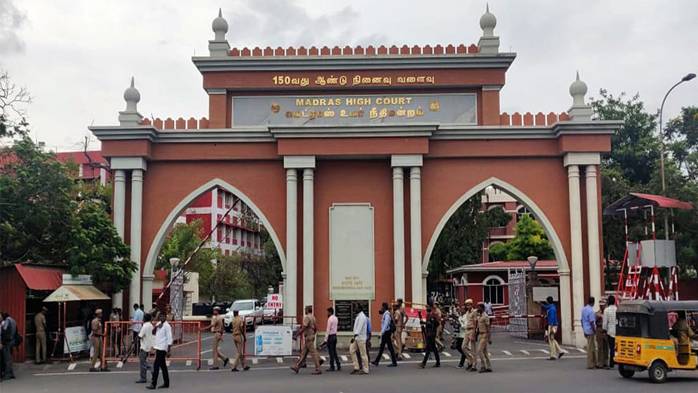
- The Speaker’s Adjudicatory Role: The case tests the legal standard set by prior judicial precedents which hold that the Speaker must conduct a reasonable, independent inquiry to verify the true nature of an MLA’s exit before accepting it.
- Impact on Regional Electoral Math: The sudden reduction in active house strength alters the majority threshold in the assembly, triggering political realignments and setting the stage for crucial assembly by-elections.
- Voter Trust and Constitutional Morality: The frequent shift of elected representatives between old and newly emerging regional outfits raises deeper systemic questions about political ethics and the stability of democratic mandates.
Positives, Negatives, & Government Schemes
| Dimension | Details |
| Positives | Approaching the high court reinforces the role of judicial review as a vital institutional check against potential arbitrariness in legislative decisions. |
| Negatives | Protracted legal battles over floor seats can lead to political uncertainty, occasionally slowing down local legislative work and policy implementation. |
| Associated Laws | Article 190 (Vacation of Seats), Tenth Schedule of the Constitution (Anti-Defection Law). |
Examples
- The landmark Shrimanth Balasaheb Patil v. Speaker (2019) judgment by the Supreme Court serves as the primary legal reference point regarding the timing and scrutiny of MLA resignations during political crises.
Way Forward
- The judiciary needs to lay down a definitive, time-bound protocol and strict baseline guidelines for Speakers to ascertain the voluntariness of a lawmaker’s resignation.
- Amend the relevant legislative rules to ensure that any MLA resigning to switch parties is barred from contesting the immediate subsequent by-election on a different ticket.
Conclusion
The legal challenge before the Madras High Court highlights the evolving nature of floor politics, emphasizing the need for robust constitutional guardrails to ensure that individual resignations are not manipulated to circumvent anti-defection laws.
Practice Mains Question
- Q: Discuss the constitutional role of the Assembly Speaker in accepting the resignation of a member of the House. How have judicial interventions balanced legislative autonomy with constitutional propriety? (150 words)
Topic 7: NCERT Textbook Illustration of ‘Dancing Girl’ Triggers Academic Debate
Subject Focus: National Issues / Education Policy
Syllabus
- GS Paper 2: Issues relating to development and management of Social Sector/Services relating to Education.
Context
The National Council of Educational Research and Training (NCERT) has drawn widespread national attention following the release of its new Class 9 art and heritage textbook, which features an illustration depicting the iconic Harappan ‘Dancing Girl’ bronze sculpture draped in a modern torso garment.
Main Body: Multi-Dimensional Analysis
- Historical Accuracy vs. Contemporary Sensitivities: The modification has sparked an intense debate among historians and educationalists regarding whether altering the visual depiction of an ancient artifact compromises objective archaeological reality.
- Pedagogical Autonomy and Curriculum Design: The move raises questions about the processes governing textbook updates, highlighting the delicate line between updating educational content and maintaining strict fidelity to primary historical sources.
- Cultural Interpretation of Harappan Heritage: The ‘Dancing Girl’, excavated from Mohenjo-daro in 1926, is an invaluable piece of global bronze-casting heritage; critics argue that superimposing modern attire alters its contextual art-historical value.
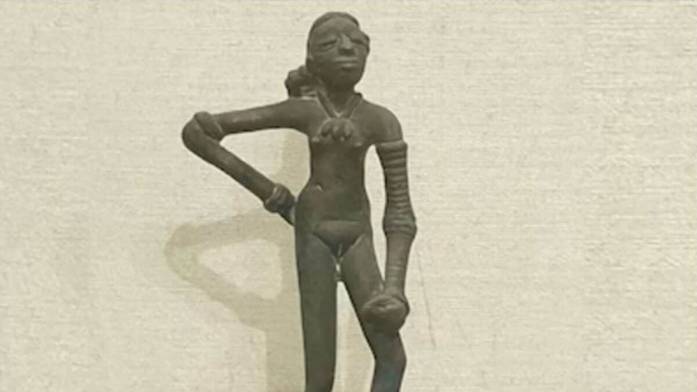
- Institutional Defence of Modifications: Educational bodies maintain that illustrations in school textbooks are often adapted for age-appropriate presentation, aiming to foster inclusivity without intent to distort historical facts.
- Public Perception of Academic Reform: The controversy underscores how deeply curriculum changes are scrutinized by civil society, emphasizing that educational reforms require broad, transparent academic consensus to build public trust.
Positives, Negatives, & Government Schemes
| Dimension | Details |
| Positives | Generates healthy public and academic engagement regarding how national history and material culture are presented to future generations. |
| Negatives | Risks creating polarization around school curricula, potentially overshadowing core educational goals like critical thinking and scientific inquiry. |
| Associated Policies | National Education Policy (NEP) 2020, National Curriculum Framework (NCF). |
Examples
- Past revisions of history textbooks across various states have faced similar challenges, demonstrating that changes to iconic heritage objects invariably invite intense academic review.
Way Forward
- Create a permanent, multi-disciplinary independent advisory board featuring archeologists, art historians, and child psychologists to vet textbook illustrations.
- Ensure that whenever an artifact’s visual representation is modified for illustrative purposes, a small explanatory footnote details the original archaeological state.
Conclusion
School textbooks are the foundational tools for building historical consciousness. Managing curriculum updates requires a careful balance that combines modern pedagogical considerations with absolute accuracy toward India’s ancient material heritage.
Practice Mains Question
- Q: “Textbook design must balance historical objectivity with pedagogical appropriateness.” Discuss this statement in the context of recent debates surrounding curriculum revisions by national educational bodies. (150 words)
Topic 8: High Heatwave Alerts Extend School Holidays Across North India
Subject Focus: National Issues / Disaster Management
Syllabus
- GS Paper 3: Disaster and disaster management; environmental degradation and climate change impacts.
Context
As severe heatwave conditions persist well into mid-June 2026, several states and Union Territories across North India have officially extended school summer vacations to ensure student safety, highlighting the growing impact of extreme climate events on the academic calendar.
Main Body: Multi-Dimensional Analysis
- Climate Change and Shifting Seasons: The extended heatwaves demonstrate that extreme weather events are no longer anomalies but regular structural challenges, disrupting economic, health, and educational timelines.
- Public Health Vulnerability of Children: Prolonged exposure to high ambient temperatures puts young students at extreme risk of heat exhaustion, severe dehydration, and heatstroke, necessitating preemptive administrative closures.
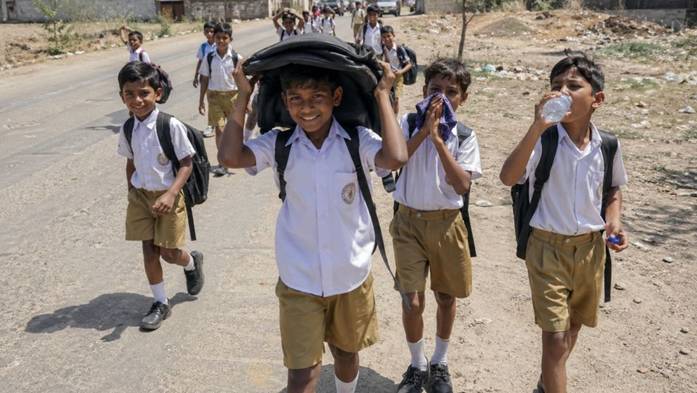
- Disruption of Academic Continuity: Sudden, unplanned extensions of school holidays compress the active teaching calendar, putting immense pressure on teachers to rush through foundational curricula later in the academic cycle.
- The Urban Heat Island (UHI) Amplification: Densely built urban centers experience significantly higher localized temperatures, exacerbating the heat stress felt by students traveling in packed public or private transport.
- Aggravation of Educational Inequity: While elite private schools can easily pivot to online classes or feature fully air-conditioned infrastructure, students in resource-constrained government schools bear the brunt of extreme weather disruptions.
Positives, Negatives, & Government Schemes
| Dimension | Details |
| Positives | Proactive administrative alerts effectively reduce instances of heat-related illnesses among vulnerable student demographics. |
| Negatives | Leads to loss of active learning days, deepens the digital learning divide during ad-hoc online shifts, and strains working parents who lack childcare alternatives. |
| Associated Frameworks | National Action Plan on Climate Change (NAPCC), NDMA Heatwave Management Guidelines, State Heat Action Plans (HAPs). |
Examples
- Major cities like Ahmedabad and Bhubaneswar have previously integrated school timings with real-time color-coded heatwave alerts issued by the IMD, minimizing full closures.
Way Forward
- Restructure the academic calendar to incorporate climate-adaptive seasonal breaks, ensuring schools open earlier in the morning during high-temperature months.
- Launch a national infrastructure upgrade program to retrofit government school buildings with cool-roof technologies and green insulations to naturally lower indoor temperatures.
Conclusion
The persistent heatwave alerts forcing school closures are a stark reminder that climate change is directly reshaping socio-economic systems, demanding long-term structural adaptation in public infrastructure and educational planning.
Practice Mains Question
- Q: Climate change-induced extreme weather events are increasingly disrupting traditional institutional calendars in India. Examine the governance challenges posed by prolonged heatwaves and suggest adaptive measures. (150 words)
